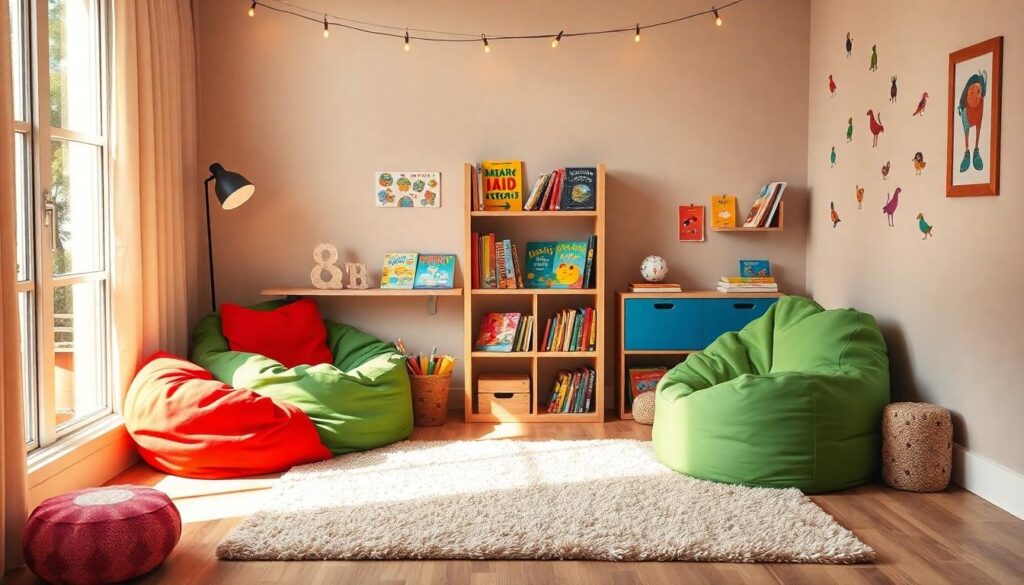
Creating a cozy reading corner for kids transforms any space into a magical gateway to adventure and learning. From colorful cushions to whimsical bookshelves, these dedicated spaces spark imagination and foster a lifelong love of reading in young minds.
Studies show that children who have access to comfortable reading spaces are more likely to develop strong literacy skills and maintain positive attitudes toward books. A well-designed reading corner doesn’t just serve as a quiet spot for stories – it becomes a personal sanctuary where kids can escape into fascinating worlds filled with dinosaurs, princesses, and space explorers.
What Is a Reading Corner and Why Kids Need One
A reading corner creates a dedicated space for children to explore books comfortably. This designated area combines soft seating elements cushions beanbags reading lights with easy access to age-appropriate books.
Reading corners offer children these key benefits:
- Creates boundaries between play zones active areas
- Provides a quiet retreat for focused reading time
- Encourages independent book selection exploration
- Builds positive associations with reading activities
- Develops consistent reading habits routines
The physical elements of an effective reading corner include:
- Comfortable seating (floor cushions bean bags small chairs)
- Proper lighting (reading lamps natural light sources)
- Book storage (front-facing shelves baskets rotating displays)
- Cozy touches (soft rugs blankets decorative elements)
- Organization systems (book labels genre markers reading levels)
Research shows dedicated reading spaces increase children’s engagement with books:
| Impact Area | Improvement % |
|---|---|
| Daily reading time | 47% |
| Book interaction | 63% |
| Reading comprehension | 38% |
| Independent reading | 52% |
Reading corners support children’s cognitive development by:
- Strengthening focus concentration abilities
- Enhancing vocabulary language skills
- Developing imagination creativity
- Building emotional social awareness
- Improving memory retention capabilities
A well-designed reading corner transforms reading from an assigned task into an engaging activity children choose independently. The space acts as a consistent signal that reading represents a special valued experience in their daily routine.
Essential Elements of an Inviting Reading Corner

Creating an effective reading corner requires specific components that transform any space into a captivating reading sanctuary for children. The following elements work together to establish an engaging environment that promotes regular reading habits.
Comfortable Seating Options
Cozy seating forms the foundation of an inviting reading corner. Bean bags offer moldable support that adapts to different reading positions while floor cushions create versatile seating arrangements. Reading nooks benefit from padded benches with storage underneath plus plush pillows for back support. Child-sized armchairs provide a sense of ownership alongside stackable foam seats for group reading sessions. Waterproof materials protect against spills while maintaining comfort through washable covers. A mix of seating options accommodates various reading preferences including individual quiet time reading solitary books peer reading sessions story circles.
Proper Lighting Solutions
Lighting dramatically impacts the reading experience through strategic placement illumination. Natural light from nearby windows reduces eye strain when paired with adjustable task lighting. LED book lights clip onto books for focused illumination without disturbing others. Floor lamps with articulating arms direct light precisely where needed. Dimmable options allow customization based on time of day activity level. Track lighting installed overhead illuminates book displays while creating ambient warmth. Battery-operated puck lights work well in corners lacking electrical outlets.
Book Display and Storage
Accessible storage systems encourage independent book selection exploration. Forward-facing shelves showcase book covers at child eye level increasing visual appeal engagement. Rolling carts provide mobile storage options for rotating book collections. Clear acrylic holders display seasonal favorites featured reads. Labeled bins organize books by reading level genre author series. Wall-mounted shelving maximizes vertical space while keeping books within reach. Book display stands highlight new additions special selections encouraging discovery. Canvas bags hanging from hooks offer grab-go convenience for borrowing returning books.
Creating a Cozy Reading Atmosphere
A welcoming reading corner combines sensory elements to create an inviting environment that draws children to read. The atmosphere plays a crucial role in transforming a basic space into an enchanting reading sanctuary.
Soft Textures and Materials
Plush materials enhance comfort and create a soothing sensory experience in reading corners. A mix of textured elements includes:
- Microfiber blankets with different patterns
- Velvet throw pillows in coordinating colors
- High-pile area rugs in neutral tones
- Quilted floor cushions with removable covers
- Fuzzy bolsters for back support
Quality fabrics protect against wear while maintaining softness through repeated use. Machine-washable materials ensure easy maintenance of the space. Layering multiple textures adds visual interest and tactile appeal that encourages longer reading sessions.
Decor and Visual Elements
Strategic decorative touches transform reading corners into captivating spaces:
- String lights create a magical ambiance
- Wall decals showcase favorite book characters
- Framed book covers serve as inspiring artwork
- Canvas book bags organize reading materials
- Letter boards display reading quotes
- Nature-inspired elements like faux plants add life
Minimal decor prevents visual overwhelm while maintaining focus on books. Child-height displays make materials accessible for independent selection. Weather-resistant materials preserve decorative elements in high-traffic areas.
Best Reading Corner Themes for Different Ages
Reading corner themes create distinct environments that match children’s developmental stages and interests. Age-appropriate themes enhance engagement and make reading spaces more inviting for specific age groups.
Preschool Reading Nooks
Preschool reading nooks feature bright colors and playful elements that capture young imaginations. Animal-themed spaces incorporate plush creatures, jungle-print cushions, and tree-shaped book displays. Fantasy settings include twinkling fairy lights, castle-shaped bookcases, and sparkly canopies. Transportation themes showcase vehicle-shaped seating, road map rugs, and aviation-inspired mobiles. Sensory elements like textured pillows, peek-a-boo curtains, and interactive wall panels encourage exploration. Book displays position covers at toddler height with picture-forward orientation for easy selection.
Elementary School Reading Spaces
Elementary reading corners reflect sophisticated interests while maintaining playful elements. Space-themed areas feature constellation lights, planet mobiles, and rocket-shaped reading pods. Adventure themes incorporate camping tents, explorer maps, and nature-inspired decor elements. STEM corners showcase science posters, microscope stations, and coding-themed wall art. Reading zones divide into genre-specific areas with corresponding decorative elements: mystery sections with detective props, fantasy areas with dragon motifs, and history corners with timeline displays. Book organization systems use color coding and clear labeling to promote independent navigation.
Organizing Books in Your Child’s Reading Corner
Effective book organization enhances children’s access to reading materials while maintaining an inviting atmosphere. Classification by reading levels helps children find appropriate books that match their abilities. Simple color coding systems identify different genres through colored stickers or shelf markers.
Book display methods incorporate:
- Forward facing shelves showcasing book covers
- Clear labeled bins for board books
- Rotating book displays featuring seasonal titles
- Vertical magazine holders for thin paperbacks
- Pull out baskets for series collections
Storage solutions maximize space through:
- Low mounted rail shelving systems
- Floating wall shelves at child height
- Multi tiered rolling carts
- Under bench storage cubbies
- Corner ladder shelves
Book categorization methods include:
- Genre groupings (adventure, fantasy, science)
- Reading level indicators
- Author alphabetical order
- Series collections
- Topic based sections
A book rotation schedule keeps the collection fresh by:
- Displaying seasonal books monthly
- Featuring new additions prominently
- Rotating displayed titles weekly
- Organizing holiday books separately
- Highlighting author spotlights
Maintenance systems preserve organization through:
- Picture labels on storage containers
- Return baskets for finished books
- Daily tidying routines
- Book repair stations
- Regular inventory checks
- QR code book labels
- Digital library catalogs
- Reading level apps
- Book recommendation systems
- Collection management software
Activities to Encourage Reading Corner Use
Interactive reading games transform reading corners into dynamic learning spaces. Simple activities like “Book Bingo” engage children in exploring diverse genres while earning rewards for completed reading challenges.
Storytelling sessions create opportunities for group participation:
- Acting out character roles with simple props
- Creating puppet shows based on favorite stories
- Reading aloud in pairs or small groups
- Drawing scenes from books during reading time
Reading reward systems boost motivation:
- Star charts tracking books completed
- Reading passports collecting story “stamps”
- Book review boards showcasing reader opinions
- Reading milestone certificates
Creative writing activities extend the reading experience:
- Writing alternative story endings
- Creating character journals
- Composing book recommendations
- Designing new book covers
Movement-based reading activities maintain engagement:
- Letter hunting scavenger hunts
- Word yoga poses
- Reading-themed charades
- Story-inspired dance breaks
| Activity Type | Time Investment | Engagement Level |
|---|---|---|
| Story Acting | 20-30 minutes | High |
| Book Bingo | 15-20 minutes | Medium |
| Word Games | 10-15 minutes | Medium-High |
| Writing Tasks | 25-30 minutes | High |
Reading-related crafts encourage creative expression:
- Bookmark making stations
- Story scene dioramas
- Character finger puppets
- Book-themed art projects
These activities transform reading corners into interactive spaces where children actively engage with books through multiple learning styles. Regular rotation of activities maintains interest while reinforcing reading skills through varied approaches.
Conclusion
Creating a dedicated reading corner for kids is more than just setting up a cozy nook – it’s an investment in their lifelong love of reading. A well-designed space with comfortable seating thoughtful lighting and organized book storage empowers children to explore literature independently.
The right combination of sensory elements themed decor and engaging activities transforms these spaces into magical retreats where young minds can flourish. Through carefully curated reading corners kids develop essential literacy skills build confidence and create lasting positive associations with books.
A reading corner isn’t just a physical space – it’s a gateway to countless adventures that nurtures imagination and sets the foundation for academic success. When designed with intention these special spaces become cherished sanctuaries where the joy of reading comes naturally to children.